
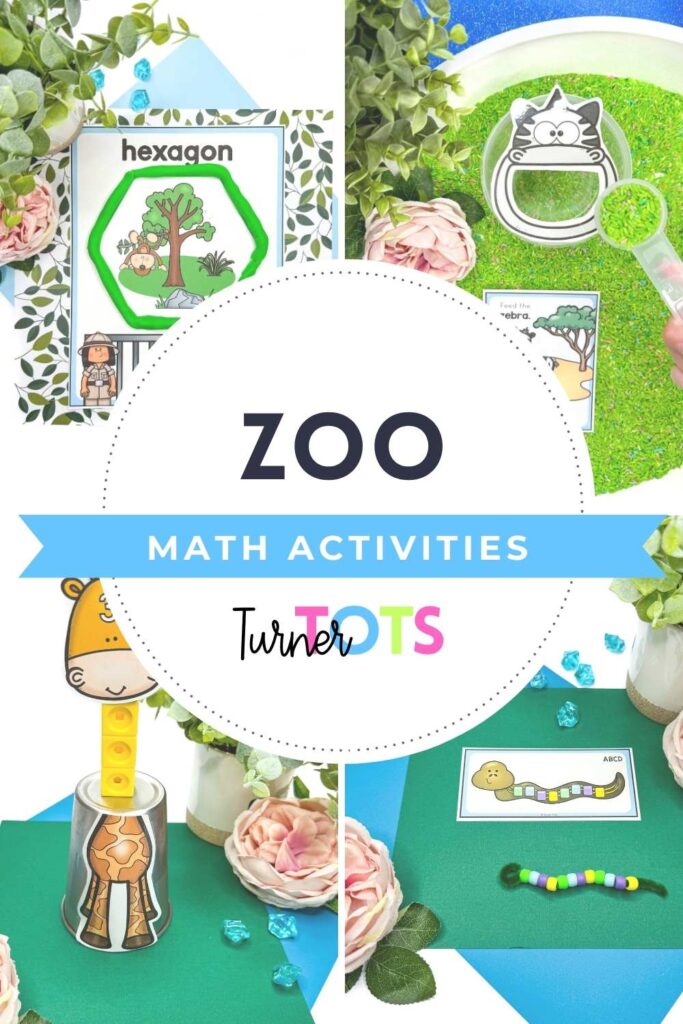
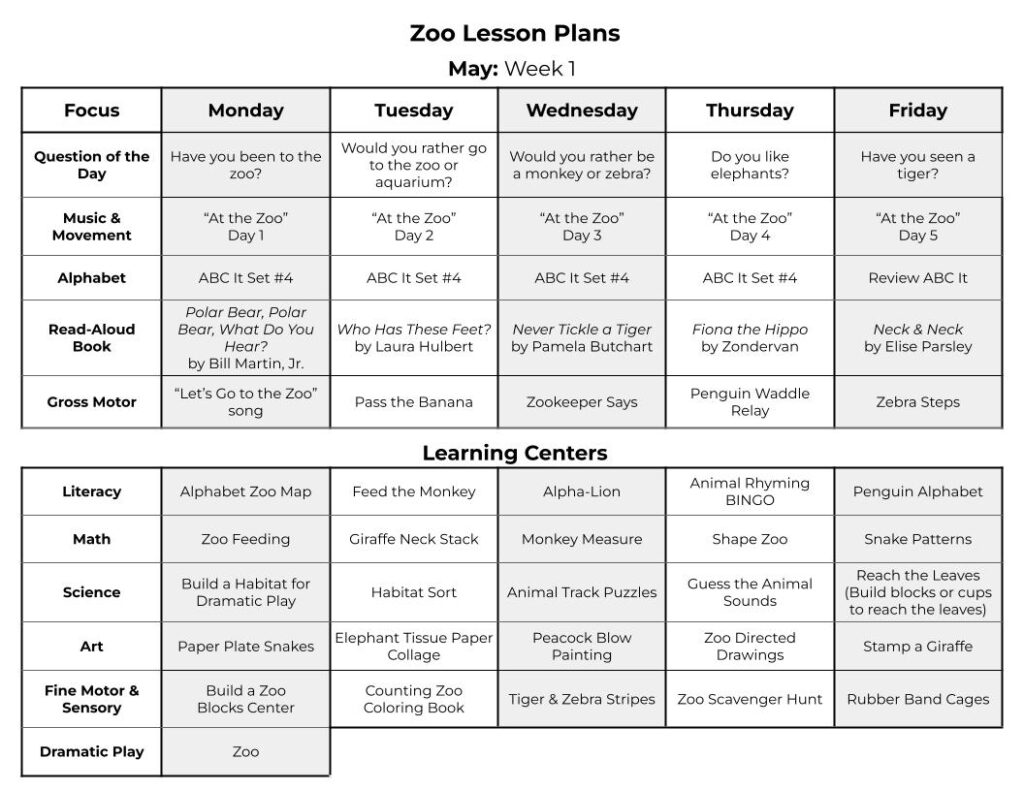
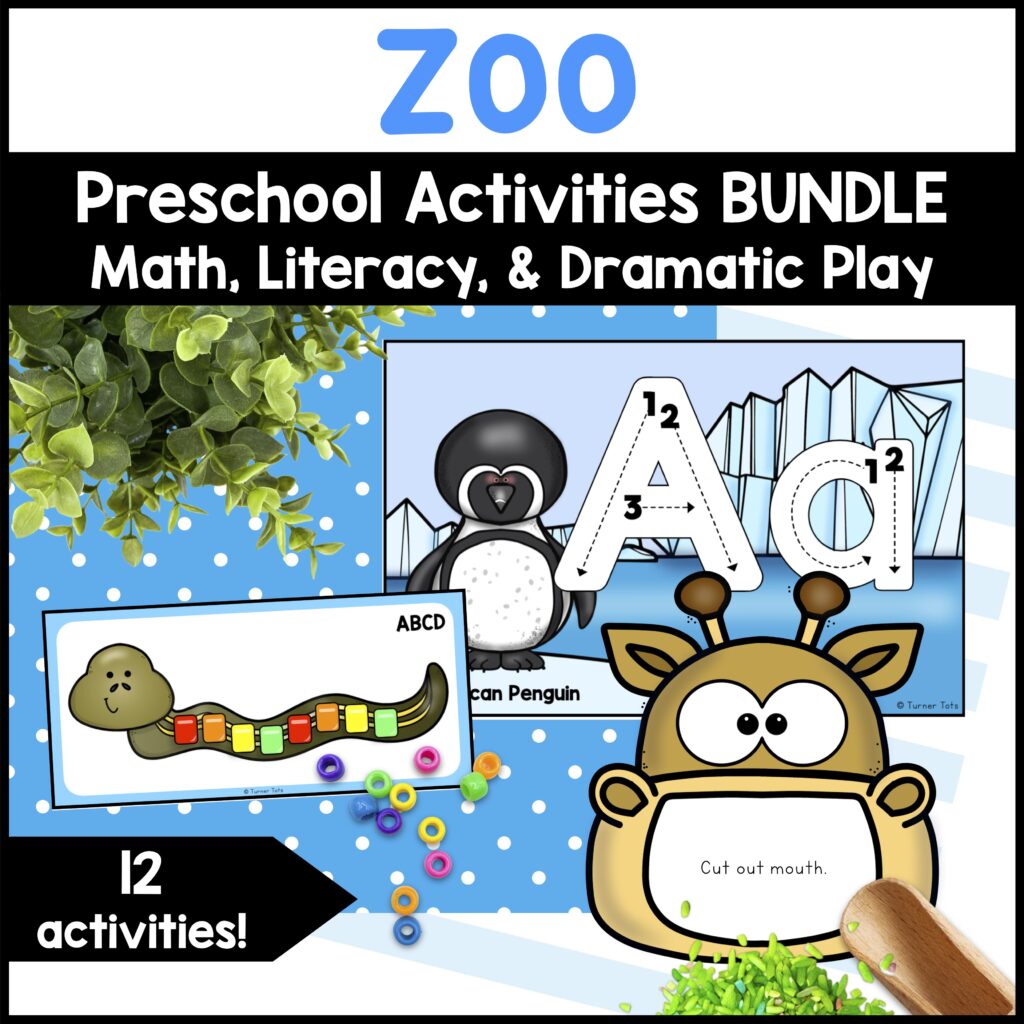
I’m a total nerd when it comes to learning facts. It’s just something I love. I guess that’s why they’re called fun facts. This nerdy trait was useful when my sister and I went to the zoo a few weeks ago. She said I was her own personal tour guide. That’s one of the reasons I love teaching with themes. As we do more and more activities and read more and more books about a topic, we actually come up with more questions. Hence why I know so many fun facts. My kiddos keep asking questions! So as you explore these math zoo activities for preschool, encourage them to ask questions and help them seek out the answers.
This post contains Amazon affiliate links, which means I earn a small commission from qualifying purchases at no extra cost to you by linking to Amazon.com. See the full disclosure here.
Something wonderful happens when learning meets play. Feelings of joy and accomplishment melt through your teacher soul as you watch your little ones laugh and enjoy feeding the animals at the zoo. There will be happy tears, for sure (at least for emotionally sensitive individuals like me).
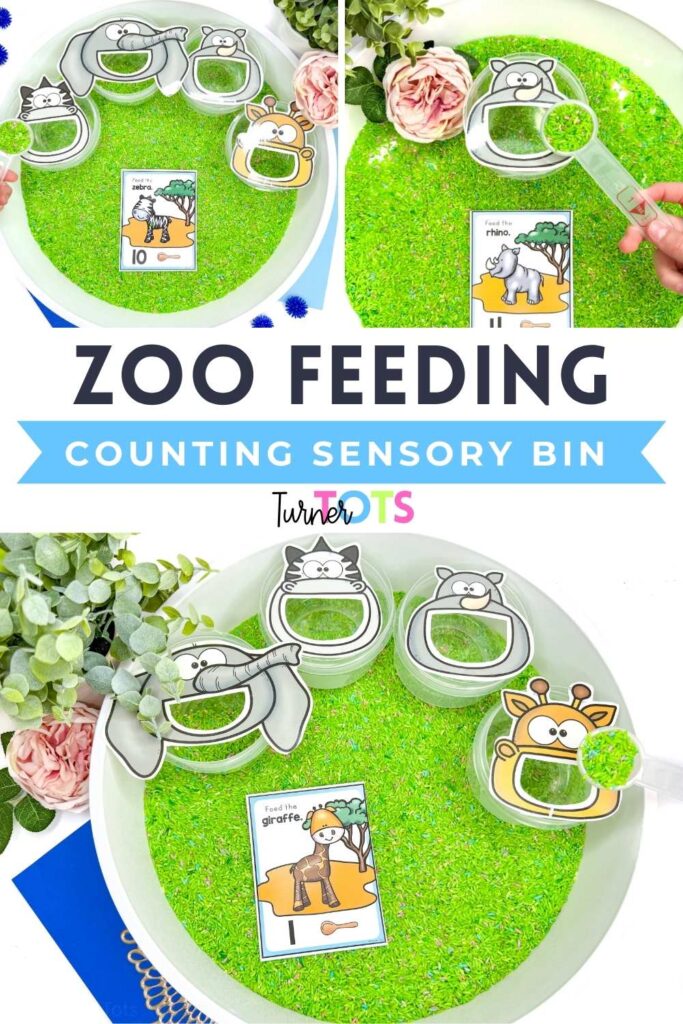
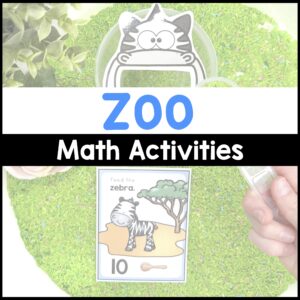
For this zoo-counting sensory bin, you will need to dye some rice if you don’t already have any on hand. Just put rice, some green food coloring, and a little vinegar in a plastic zip-top bag. Squish it around until it’s all green, and then open the bag up to let it dry.
Add your green rice to a sensory bin as grass/leaves for all these very hungry safari animals. Use packing tape to secure the animal heads onto cups or circular containers, add some scoops, and you are ready to have some fun pretending to feed the animals!
The kiddos just draw a card and scoop the corresponding amount into the matching animal’s mouth. The scooping, the counting, the laughing, the joy. This zoo counting sensory bin completely captivates.
Okay, so you’ve got kids who like to scoop covered with the zoo animal sensory bin. What about kids who love to build?
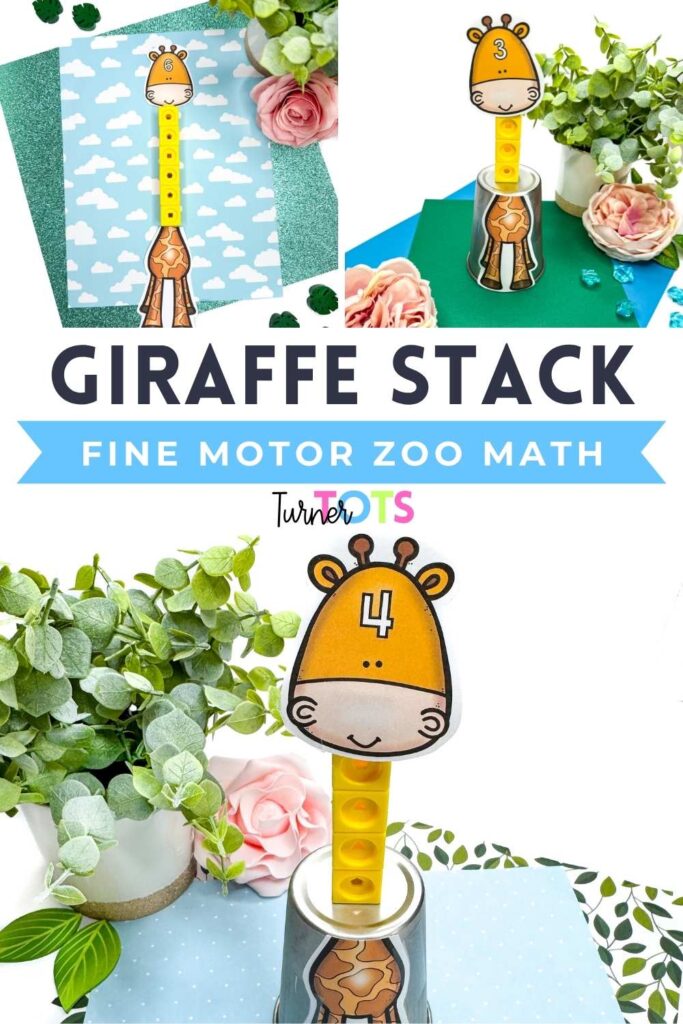
This giraffe neck-stacking activity is perfect for your kinesthetic kiddos, or let’s be honest, any kid who loves a little stacking challenge.
First, tape the giraffe body onto a heavy cup, tin can, or block. Then, use clear packing tape to secure a snap cube on the back of the numbered giraffe heads. Now, get to counting and snapping those cubes together!
The challenge arises when they try to balance the neck on the tin can. My little one made it to 12 cubes! Proud mommy moment.
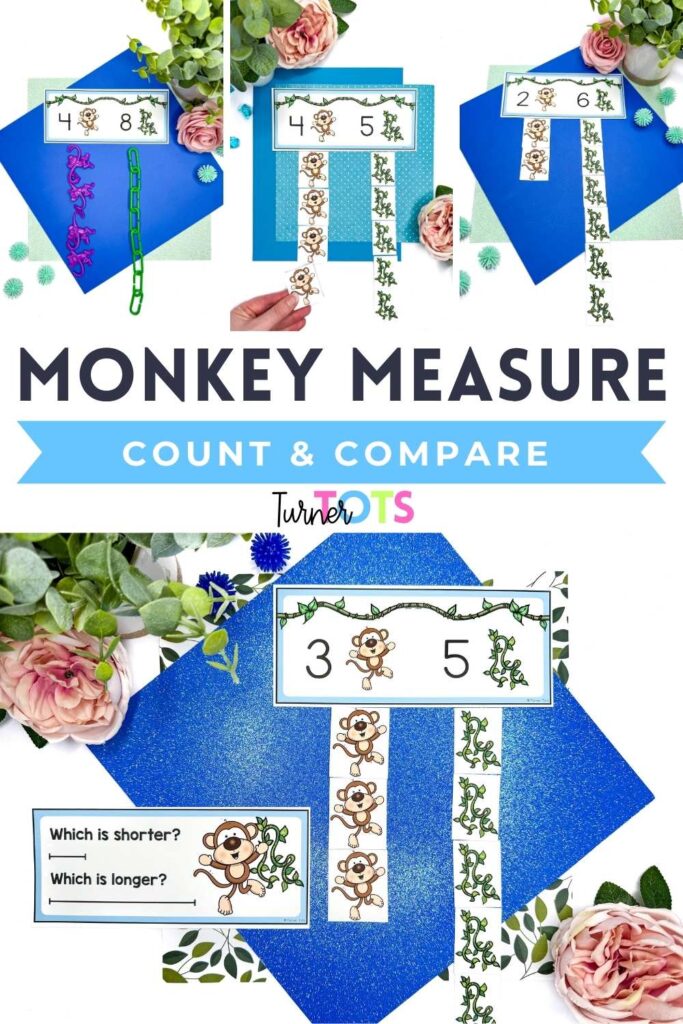
There’s plenty of monkeying around with this next zoo math activity! Preschoolers count and compare the lengths of two different sets—monkeys from a Barrel of Monkeys and green linking chains to represent jungle vines. This simple setup turns early measurement into a hands-on, engaging activity as children decide which group is longer or shorter.
Don’t have the manipulatives on hand? No problem—printable versions are included, so you can still easily set it up in your classroom.
To create the display, we simply used magnetic hooks on a metal shelf to hang the pieces, but this activity is flexible enough to work just about anywhere. You could also use cabinet knobs, push pins, a bulletin board, or Command hooks, depending on your space.
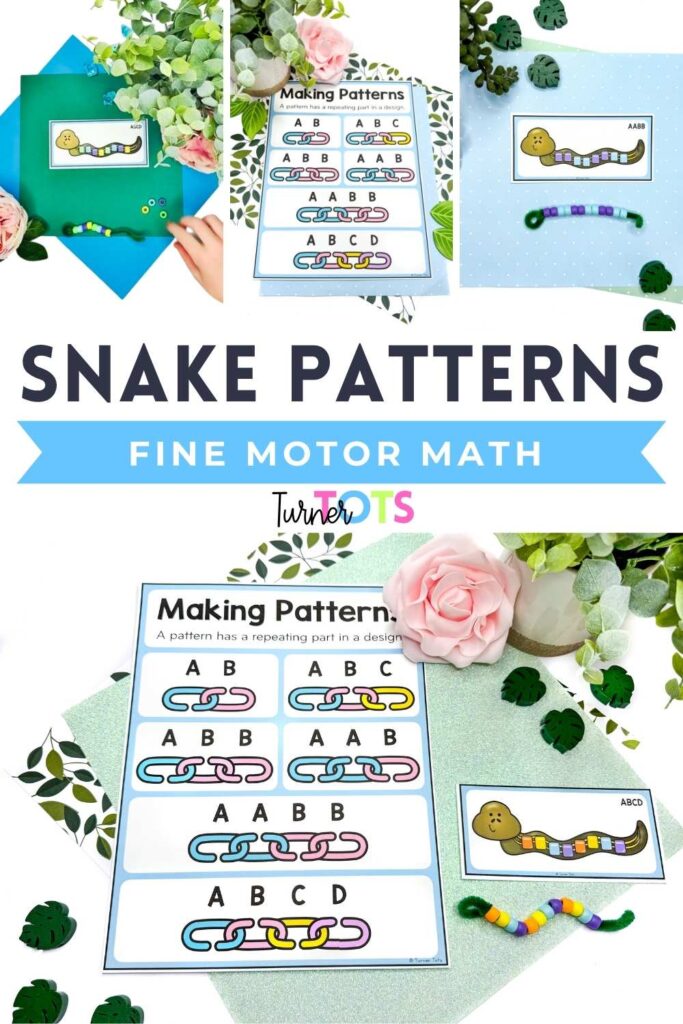
There is something so relaxing about stringing beads onto a pipe cleaner. Even my little one was way quieter than her usual talkative self during this activity. The simple act of sliding each bead onto the “snake” kept little hands busy and focused while also building important fine motor skills.
Following the pattern cards, we created different snakes using colorful pony beads.
Preschoolers can practice recognizing and copying simple color patterns like AB, AAB, or ABC while creating their own colorful zoo snakes.
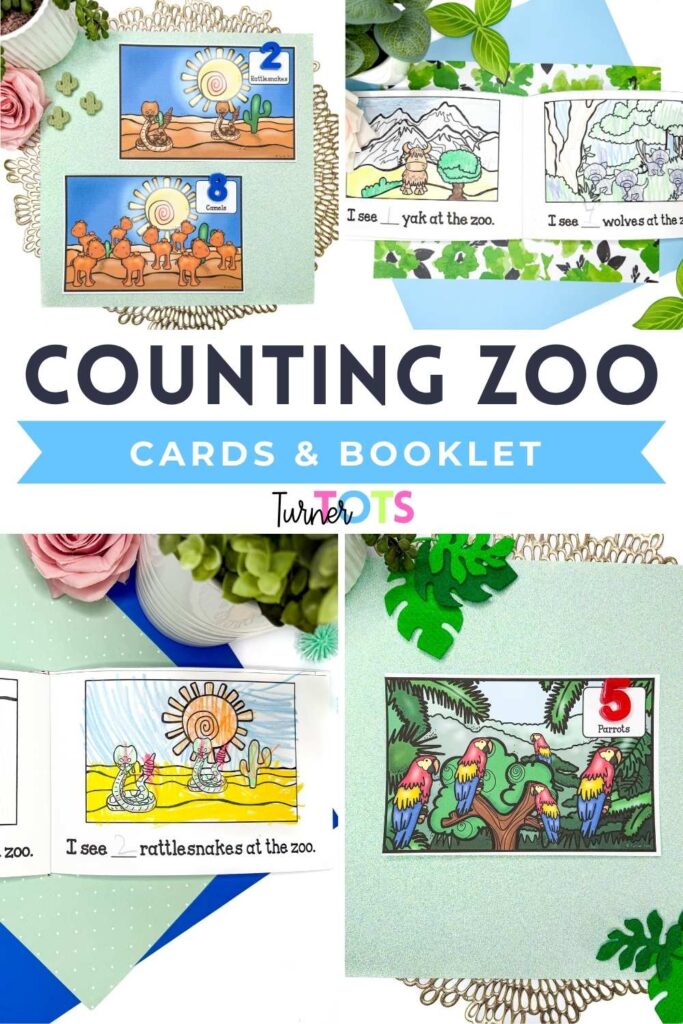
We saw 1 tiger swimming, 2 bears fighting, and 3 lions napping on our last trip to the zoo. It was truly one of the best zoo trips I have ever taken. Plus, there were plenty of opportunities for counting as we observed the animals, just like in this next math activity!
We first counted the animals on the cards to practice one-to-one correspondence.
Then we colored our own zoo-counting booklet! I don’t know about you, but sometimes just sitting down and coloring with your kids is exactly what you need to recharge after a tiring day at the zoo.
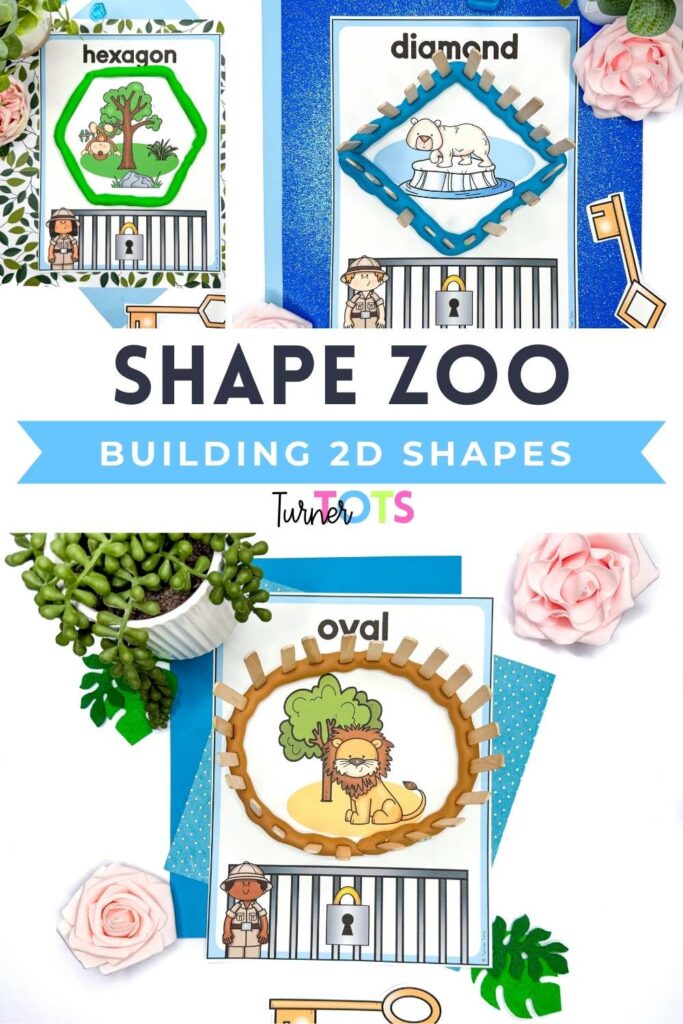
The satisfying squish of the soft play-dough as we added mini popsicle-stick fences around these zoo animal enclosures instantly turned shape practice into meaningful, hands-on play.
Instead of tracing shapes on a worksheet, preschoolers build each 2D shape themselves using rolled play-dough “snakes,” then carefully press popsicle sticks around the outside to create animal habitats.
Then, they find the matching shape key to lock up the enclosure for the night!
The combination of rolling, pinching, pressing, and placing gives little hands an incredible fine motor workout while also helping children truly see the attributes of each shape.
Zoo-themed learning makes math feel meaningful, hands-on, and fun for preschoolers. From counting and comparing to patterns, shapes, and measurement, these zoo math activities help children build early math skills through play and exploration. If you’re ready to save time while planning engaging math centers, you can grab the full zoo math bundle. It includes all these activities at 50% off when purchased individually—making it an easy, budget-friendly way to bring your zoo theme to life in your classroom.
| Cookie | Duration | Description |
|---|---|---|
| cookielawinfo-checkbox-analytics | 11 months | This cookie is set by GDPR Cookie Consent plugin. The cookie is used to store the user consent for the cookies in the category "Analytics". |
| cookielawinfo-checkbox-functional | 11 months | The cookie is set by GDPR cookie consent to record the user consent for the cookies in the category "Functional". |
| cookielawinfo-checkbox-necessary | 11 months | This cookie is set by GDPR Cookie Consent plugin. The cookies is used to store the user consent for the cookies in the category "Necessary". |
| cookielawinfo-checkbox-others | 11 months | This cookie is set by GDPR Cookie Consent plugin. The cookie is used to store the user consent for the cookies in the category "Other. |
| cookielawinfo-checkbox-performance | 11 months | This cookie is set by GDPR Cookie Consent plugin. The cookie is used to store the user consent for the cookies in the category "Performance". |
| viewed_cookie_policy | 11 months | The cookie is set by the GDPR Cookie Consent plugin and is used to store whether or not user has consented to the use of cookies. It does not store any personal data. |